
What’s new today
- Florida still intends to carry out two executions on the same day, the first time in more than 60 years.
- James Aren Duckett remains scheduled for noon; Dominick Anthony Occhicone remains scheduled for 6 p.m.
- No court has issued a stay as of Monday morning, though appeals remain possible.
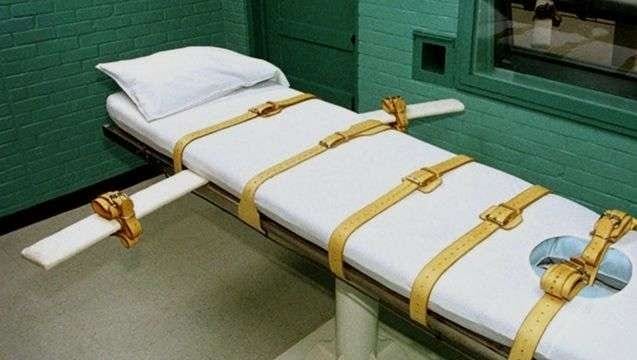
Florida is preparing for an exceptionally rare double execution Tuesday, marking the state’s first same‑day executions in more than six decades.
James Aren Duckett, 68, is scheduled to die at noon at Florida State Prison near Starke. Dominick Anthony Occhicone, 80, is set for execution at 6 p.m. Both warrants remained active Monday morning, according to state records and ABC News reporting.
Duckett was convicted of raping and drowning 11‑year‑old Teresa McAbee while serving as a police officer in Mascotte, a Lake County community. Occhicone was convicted of killing the parents of a former girlfriend in 1986. The crimes left families grieving for decades and placed both men on death row for nearly 40 years.
The back‑to‑back executions raise unusual questions about how Florida administers capital punishment. The Department of Corrections has not carried out two executions in one day since May 12, 1964, when Emmett C. Blake and Sie Dawson were put to death in the electric chair.
Blake, then age 31, was executed for committing a robbery that resulted in a homicide, while Dawson, who was 40 at the time, was executed for murdering Maggie Clayton and her two‑year‑old son, Roger, in Chattahoochee, Florida.
Officials have not publicly detailed how medical teams, security staff, witnesses, and the execution chamber itself will be managed between the noon and evening procedures—or what would happen if the first execution were delayed or complicated.
Occhicone would be the oldest person executed in Florida’s modern death‑penalty era. Duckett’s case carries particular significance in Central Florida because he committed the crime while holding police authority, underscoring that law‑enforcement status does not shield an officer who commits an act of extraordinary violence.
Supporters of the executions say they enforce lawful sentences and reflect the gravity of the murders. Critics argue that extreme delays, high costs, and persistent racial and geographic disparities undermine the death penalty’s legitimacy.


-
Lee Dixon

-
Lee Dixon
-
Lee Dixon

-
Lee Dixon


